Claim Your Free Installation Estimate
Replace Your Air Filter Every 30 to 60 Days
The single most impactful maintenance task you can perform is replacing your HVAC air filter on a consistent schedule. During Concord’s humid summer months, when air conditioning systems run nearly continuously, filters collect dust, pollen, pet dander, and airborne particles at an accelerated rate. A clogged filter restricts airflow, forcing your system to work harder to circulate cooled air throughout your home. This increased strain translates directly into higher energy consumption, reduced cooling capacity, and potential compressor damage over time.
To replace your filter, first turn off your HVAC system at the thermostat. Locate the filter access panel, typically found at the return air vent or within the air handler cabinet. Remove the old filter and note the direction of airflow indicated by arrows on the frame. Insert the new filter with arrows pointing toward the ductwork, ensuring a snug fit with no gaps around the edges. Check the filter’s MERV rating when purchasing replacements; a rating between 8 and 11 offers an effective balance of filtration and airflow for most residential systems.
In Concord’s climate, where summer pollen counts remain elevated and outdoor humidity hovers around 70 percent, inspect your filter monthly. If you notice visible dirt accumulation or reduced airflow from your vents, replace the filter immediately rather than waiting for the standard interval. Regular filter replacement not only improves energy efficiency but also protects indoor air quality and extends the lifespan of your equipment. If you encounter difficulty accessing or replacing your filter, an hvac maintenance service can demonstrate the process during a routine visit.
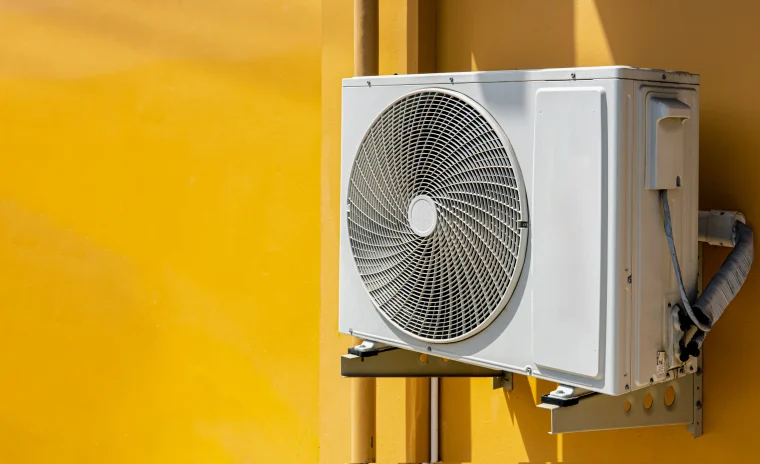
Clear Debris and Wash Your Outdoor Condenser Unit
Your outdoor condenser unit serves as the heat rejection component of your air conditioning system, and its efficiency depends entirely on unobstructed airflow through the aluminum or copper fins surrounding the unit. Throughout spring and summer in Concord, fallen leaves, grass clippings, cottonwood seeds, and dust accumulate on and around the condenser, forming an insulating layer that traps heat and prevents proper heat exchange. When the condenser cannot expel heat effectively, your system’s cooling capacity drops while energy consumption rises sharply.
Begin by turning off power to the unit at both the thermostat and the outdoor disconnect switch, usually mounted on the exterior wall near the condenser. Remove any visible debris, overgrown vegetation, or items stored within two feet of the unit. Using a garden hose with a spray nozzle set to a gentle stream, rinse the condenser fins from the inside out, directing water from the interior of the unit toward the exterior. This technique pushes accumulated dirt and debris outward rather than deeper into the fins. Avoid using a pressure washer, as excessive force can bend the delicate fins and permanently reduce airflow capacity.
Inspect the fins for damage after cleaning. If you notice bent or crushed sections, a fin comb tool can carefully straighten them, restoring proper airflow. Keep the area around your condenser clear of mulch, grass clippings, and shrubs throughout the cooling season. This simple air conditioning service task typically takes 15 to 20 minutes and can improve system efficiency by 10 to 15 percent. If your condenser fins are severely damaged or the unit shows signs of refrigerant leaks, contact a licensed technician for professional assessment.
Ensure All Interior Vents and Registers Are Unobstructed
Proper airflow throughout your home requires that supply vents and return air registers remain completely unobstructed. Many homeowners unknowingly block vents with furniture, curtains, area rugs, or storage boxes, creating pressure imbalances within the duct system. When supply vents are covered, conditioned air cannot enter the room, forcing your system to run longer cycles to achieve the desired temperature. Similarly, blocked return air vents prevent adequate air circulation back to the air handler, reducing overall system capacity and increasing wear on the blower motor.
Walk through every room in your home and identify all supply vents and return air registers. Supply vents are typically located on floors, walls, or ceilings and blow cooled air into the space. Return air registers are usually larger grilles, often positioned on interior walls or in hallways, that draw air back into the system. Move furniture, decorations, and other items at least six inches away from all vents and registers. Remove any dust buildup from vent covers using a vacuum attachment or damp cloth, as accumulated dust restricts airflow and contributes to indoor air quality issues.
In Concord’s climate, where homes often remain closed throughout the summer to maintain cooling, adequate return airflow becomes especially critical. Insufficient return air causes the evaporator coil to freeze, leading to reduced cooling capacity and potential water damage from condensation overflow. If you notice ice formation on refrigerant lines or weak airflow despite clean filters and unobstructed vents, schedule an hvac service appointment to inspect for refrigerant issues or duct leaks. This simple walkthrough takes only a few minutes but prevents common efficiency problems that increase operating costs throughout the cooling season.
Program Your Thermostat for Optimal Efficiency
Your thermostat settings directly control how frequently your HVAC system operates, and strategic programming can reduce cooling costs by 10 to 20 percent without sacrificing comfort. Many homeowners set their thermostat to a single temperature and leave it unchanged throughout the day, unaware that even modest adjustments during unoccupied hours generate substantial energy savings. Modern programmable and smart thermostats automate this process, allowing you to establish customized schedules that align with your household routines.
Set your thermostat to 78 degrees Fahrenheit when you are home and awake during summer months. When you leave for work or extended periods, increase the temperature by 7 to 10 degrees rather than turning the system off completely. Contrary to common belief, your HVAC system does not need to work harder to cool your home after a temporary temperature increase; the energy saved during the setback period significantly exceeds the energy required to restore comfort upon your return. If you have a programmable thermostat, create a weekly schedule that raises the temperature during typical work hours and lowers it 30 minutes before you arrive home.
Smart thermostats offer additional efficiency features, including adaptive learning that adjusts to your preferences over time, remote access via smartphone, and energy usage reports that identify optimization opportunities. Avoid frequent manual overrides, as constant adjustments prevent your system from operating on its most efficient schedule. Ensure your thermostat is mounted on an interior wall away from direct sunlight, drafts, doorways, and heat-producing appliances, as these factors cause inaccurate temperature readings and unnecessary cycling. If your thermostat frequently fails to maintain set temperatures or shows erratic behavior, a heating and cooling service technician can diagnose sensor issues or recommend an upgrade to a more capable model.
Schedule Professional Maintenance Before Peak Cooling Season
While the DIY maintenance tasks outlined above significantly improve system performance and efficiency, they cannot replace the value of a thorough professional inspection and tune-up. Licensed technicians possess specialized tools, diagnostic equipment, and technical knowledge to identify efficiency problems that remain invisible to homeowners. An annual hvac maintenance service appointment, ideally scheduled in late spring before cooling demand peaks, addresses critical system components that require professional attention and ensures your equipment operates at manufacturer-specified efficiency levels throughout the summer.
During a professional maintenance visit, technicians measure refrigerant charge, inspect electrical connections, test capacitor function, lubricate moving parts, clean evaporator and condenser coils, verify proper airflow across the system, and calibrate thermostat operation. Refrigerant charge, in particular, requires precise measurement and adjustment; even a 10 percent deviation from the correct charge reduces efficiency by up to 20 percent and accelerates compressor wear. Technicians also inspect condensate drain lines for blockages, a common issue in Concord’s humid climate that can lead to water damage and system shutdowns if left unaddressed.
Professional maintenance visits identify small problems before they escalate into costly emergency hvac repair service calls during the hottest weeks of summer. Worn contactors, failing capacitors, and refrigerant leaks rarely announce themselves until complete system failure occurs, often at the most inconvenient times. Preventive maintenance extends equipment lifespan, maintains manufacturer warranty compliance, and reduces total operating costs over the life of your system. When scheduling your annual appointment, choose a provider that offers detailed inspection reports, transparent pricing, and clear explanations of any recommended repairs. This proactive approach to heating service and air conditioning service ensures your system delivers consistent comfort and optimal efficiency when you need it most, throughout Concord’s demanding summer conditions.